

Energy gels




Choosing and using your energy gel правильно
What is an energy gel?
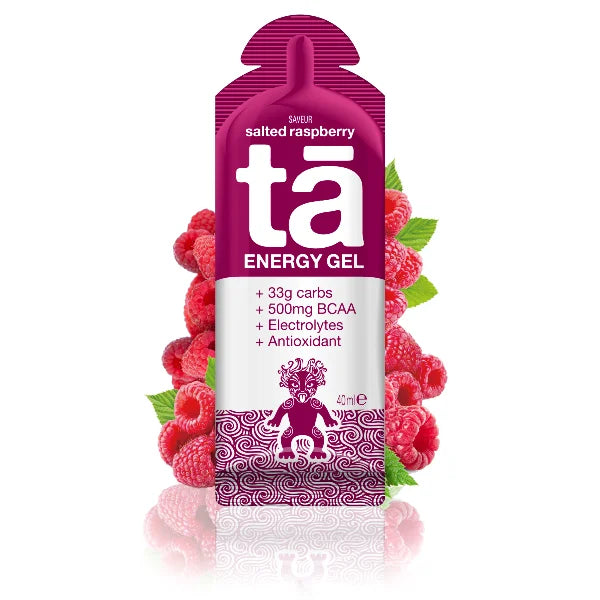
Energy gel is a concentrated source of carbohydrates (maltodextrin, glucose, fructose, sometimes honey or maple syrup) in a single serving, taken during exercise. The body's carbohydrate stores cover about 90 minutes of sustained running; beyond that, a gel lets you take in more without chewing or stopping. Depending on the product, a gel provides 23 g (HIGH5 Energy Gel) to 50 g of carbohydrates (226ERS High Energy Gel), and some resealable formats contain up to 90 g (PF 90 by Precision Fuel & Hydration).
When should you take an energy gel?
Take the first gel 20 to 30 minutes after starting an effort lasting more than an hour and a half, then take a gel every 20 to 45 minutes, depending on its carbohydrate content. One 25 g gel every 30 minutes provides 50 g per hour, a common benchmark for recreational runners. Don't wait until you're hungry or running out of energy. For efforts lasting less than an hour, a gel is rarely useful.
How many gels per hour?
One to three gels per hour, depending on their size and your carbohydrate target. Most recreational runners aim for 50 to 60 g of carbohydrates per hour, or two gels containing 25 to 30 g each; experienced athletes go up to 60 to 90 g during efforts lasting more than 2 h 30. If you also drink a sports drink, subtract its carbohydrates from the total. For the marathon, our <a href="/en-at/blogs/plan-nutrition-courses/plan-nutrition-marathon-semi-marathon">marathon and half-marathon nutrition plan</a> gives examples based on your target time.
Should you drink water with a gel?
Yes for most gels, because their high sugar concentration can irritate the stomach if not diluted. A few sips of water (100 to 150 ml) are enough. So-called isotonic gels or gels with a liquid texture already contain water and are easier to take without drinking afterward.
Gel with or without caffeine, which one should you choose?
Save the caffeine gels for the second half of your effort or the tough sections, and use caffeine-free gels the rest of the time. Doses vary widely: 20 mg in a caffeinated GU Energy gel, 100 mg in a Maurten Gel 100 CAF 100. Add up the caffeine from all your products that day (coffee, gels, drink). If you don’t tolerate it well or the race ends late, stick to the caffeine-free versions.
How can I avoid stomach aches from gels?
Test your gels during training at race pace, and gradually increase the amounts: your gut gets used to carbohydrates just as your legs get used to exertion. Take a few sips of water with concentrated gels, don’t switch brands on race day, and avoid taking two gels in a row without water. Our article <a href="/en-at/blogs/strategies-entrainement/faut-il-consommer-des-gels-energetiques-a-l-entrainement">should you take gels during training</a> explains how to get your stomach used to them.
Which energy gel for trail and ultra?
For trail and ultra running, choose gels you can take for hours without feeling nauseous: thinner textures, less-sweet or savory flavors, and a resealable format if you eat in small portions. Näak Ultra Energy Gel (27 g of carbohydrates and 420 mg of electrolytes) or the resealable PF 90 from Precision Fuel & Hydration are good options. Alternate with <a href="/en-at/collections/purees-compotes-effort">sweet or savory purées</a> and bars to vary the flavors.
How to choose your energy gel?
First look at the amount of carbohydrates per gel, then its texture and taste. A 20 to 30 g gel lets you split up your intake; a gel of 40 g or more means carrying fewer. Isotonic gels, which are more liquid, can be taken without drinking afterward; Maurten hydrogel gels have an almost neutral taste, while organic gels (Baouw, Meltonic, Atlet) focus on simple ingredients. Choose with or without caffeine depending on the stage of the race.
Available brands


Recently viewed