
Electrolytes for sports
In the same category






Electrolytes: how much sodium and in what form?
What are electrolytes for?
Electrolytes help replace minerals lost through sweat, especially sodium, during long efforts or in hot conditions. An athlete loses an average of 400 to 1,200 mg of sodium per liter of sweat, according to estimates cited in our article on <a href="/en-ma/blogs/nutrition/le-sodium-un-allie-indispensable-pour-vos-performances-en-endurance">sodium for endurance</a>. They are not energy products: most tablets provide few or no carbohydrates, so they are paired with gels or a sports drink.
How much sodium per hour during exercise?
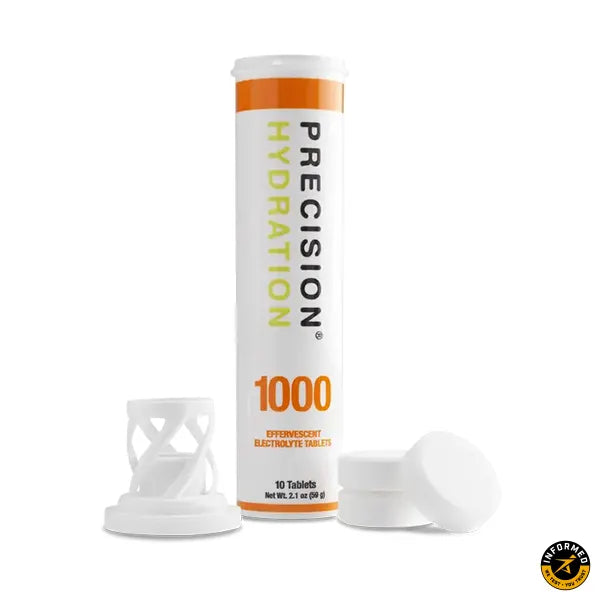
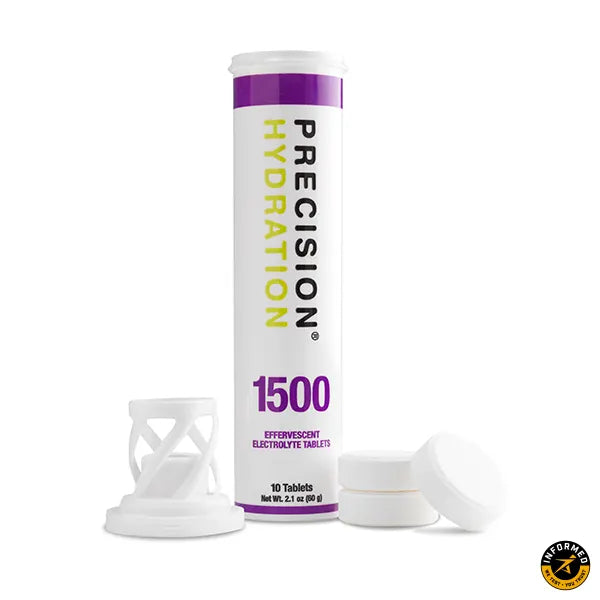
A common starting point is 300 to 600 mg of sodium per hour during long efforts, adjusted for heat and how much you sweat. Precision Fuel & Hydration tablets come in three strengths, 500, 1,000, and 1,500 mg of sodium per liter: the strongest ones are for heavy sweaters and hot-weather races. If your clothes dry with white marks, you’re probably losing a lot of salt.
Lozenges, powder, or capsules: which form should you choose?
The effervescent tablet dissolves in your bottle, the powder lets you adjust the dose and often contains carbohydrates, and the capsule is swallowed with water and easy to carry on the trail. One Precision Fuel & Hydration tablet dissolves in 500 ml of water. Capsules, such as SaltStick Caps (215 mg of sodium per capsule), are useful when you drink water from aid stations. See our selection of <a href="/en-ma/collections/capsules-pastilles">salt and electrolyte capsules</a>.
Do electrolytes contain sugar?
It depends on the product. Many tablets contain very little or none. Workout powders often add carbohydrates. Check the ingredients on each product page.
Should you take it outside of exercise?
In cases of prolonged heavy sweating or a heat wave, a little sodium can help with rehydration. For regular use, consult a healthcare professional, especially if you have high blood pressure.
How should they be dosed in a canister?
Follow the brand’s instructions (one tablet for 500 ml, for example). It’s best to start with a low dose, then adjust during training.
Do electrolytes prevent cramps?
There is no guarantee that they will prevent them: exercise cramps have several causes, including muscle fatigue and pace, and sodium deficiency is only one of them. Electrolytes are primarily used to replace what you lose through sweating. If you often get cramps, also look at your training, your starting pace, and your carbohydrate intake, and talk to a healthcare professional if they keep recurring.
Which electrolytes should you choose in extreme heat?
In very hot weather, choose a higher sodium concentration and a format you can take frequently: tablets containing 1,000 or 1,500 mg per liter in your bottle, or salt capsules to swallow with water at trail aid stations. Start drinking early, in small sips, and test the dosage during hot-weather training. Our article on <a href="/en-ma/blogs/strategies-entrainement/acclimatation-chaleur-performances-sportives">heat acclimatization</a> explains how to prepare.


Recently viewed