


Mastering sweat to control your hydration
Sweating is a natural and necessary process that helps our bodies cope with high temperatures. As the mercury rises, the risk of dehydration increases. Don’t let the heat (if only?) of spring undo your efforts—it’s time to understand the mechanisms behind the beads of sweat forming on your forehead.
Why do we sweat?
Whether you are running under a radiant sun or through the snow, the effort made by your muscles causes a slight increase in body temperature. As your temperature rises, your sweat glands are activated and sweat is produced.
Your glands release fluids to moisten the skin; the sweat produced evaporates quickly, helping to lower your body temperature. When humidity is high, evaporation is less effective and the risk of overheating increases. The higher your temperature rises, the more sweat your body produces in an attempt to bring it back down to normal.
So the blazing sun doesn’t clip your wings
Blood circulation is a key factor when you run. During exercise, your body delivers oxygen and nutrients to active muscles and exchanges them for metabolic waste products that will be eliminated. In high heat, the equation changes. Your blood, which is already circulating faster than usual to supply your muscles, must also keep your body temperature at a reasonable level.
When body temperature rises, some of this oxygen-rich blood intended for the muscles must be redirected to the skin. When it reaches the skin’s surface, your blood is cooled, allowing you to maintain a stable temperature. Nevertheless, your heart rate increases because your muscles still need to be supplied so that you can continue your effort. This is one of the factors that makes running in hot weather more difficult: despite this, it is not enough to maintain an acceptable body temperature; sweat makes it possible.
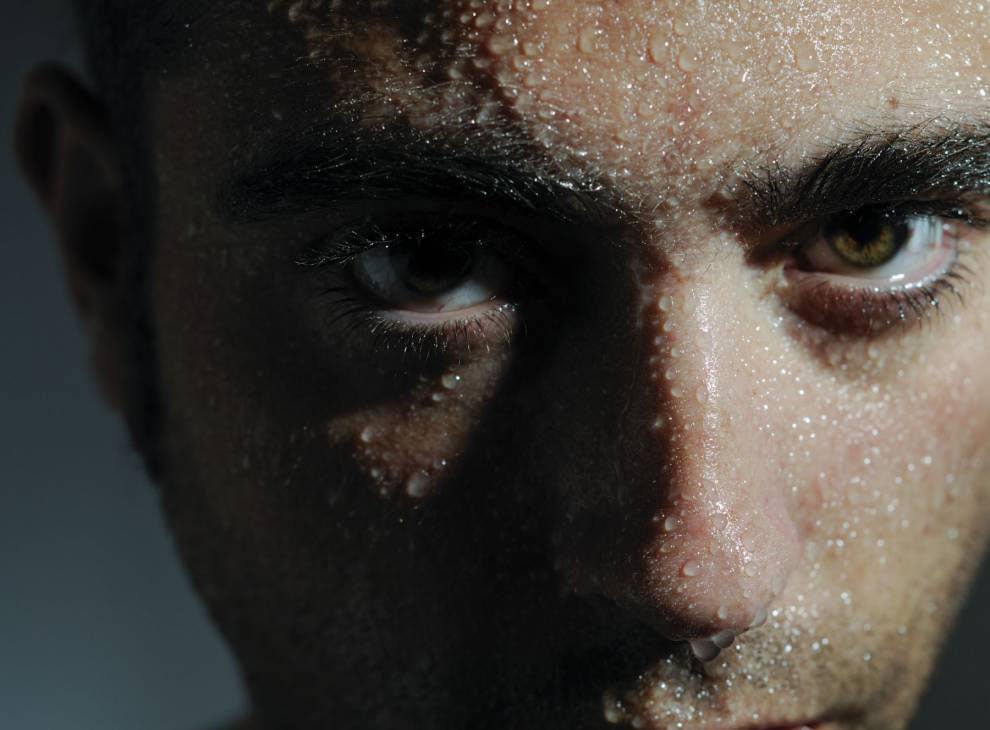
The physiological effects of sweat
Although sweating is essential to prevent overheating, excessive sweating can also impair your performance and affect your health. The impact of sweating on performance becomes noticeable when just 2% of your body mass is lost this way; long-distance runners lose an average of between 6 and 10% of their body mass in the form of sweat. The impact is therefore not negligible.
Indeed, your body is made up of 60% water, with one third of this amount located in extracellular fluids, including plasma. When you sweat, some of the fluids lost come from this extracellular source: the more you sweat, the more your blood volume decreases. This limits the amount of blood available to supply your muscles and cool you down. As energy availability decreases and body temperature rises, your performance suffers.
It is also important to remember that although sweat is mainly composed of water, it also contains minerals, lactate, and urea. This is why energy drinks can be useful: not only do they help maintain adequate hydration, but they also replace the non-water components lost through sweat.
Hydration, your savior
You can minimize the harmful effects of sweat by hydrating frequently. Even before leaving home to go running, you should make sure that you are properly hydrated. The standard recommendation is to drink 2 to 3 glasses of water within the two hours before the run, followed by another glass five to ten minutes before you set off.
Finally, here are three tips to help you manage your hydration level:
- Salty joker: Consuming sodium before exercise increases water intake and retention. Eating a sodium-rich food two hours before exercise will therefore increase your thirst and encourage your body to retain more water: the combined effect of the two leads to better hydration, allowing you to run faster and farther. There are several salty sports nutrition products,
- During exercise: Being aware of your hydration level is not enough. In fact, when your body sends you a signal indicating that you are dehydrated (you are thirsty), it is already too late; you are already on your way to becoming dehydrated. If you tolerate them well, isotonic drinks are useful because, while hydrating you, they also provide electrolytes that your body greatly needs after sweating heavily.
- After exercise: Despite paying close attention to your hydration and preparing properly, it is common to finish a session at a certain level of dehydration. If you sweat heavily, it can be difficult to drink enough fluid (while running) to make up for the loss. To get a better idea of how much sweat you release during exercise, there is a simple technique: weigh yourself before and after the run. By determining the amount of sweat produced, you can compare it with your body mass and thereby get a more precise idea of how much water your body requires during exercise.