


Does fat make you gain weight?
Does fat make you gain weight?
We tend to demonize fat in our diet because it is often associated with weight gain, cholesterol, and the onset of cardiovascular diseases.
Lipids are essential for the proper functioning of the body, but modern eating habits tend to cause an imbalance in the fatty acid balance because of an excessive proportion of low-quality fats.
1) Fatty acids: a focus on a major family
There are different categories of fatty acids, which have more or less beneficial effects on the body:
- Saturated fatty acids (butter, dairy products, cheese, processed meats, red meat, palm oil…).
- Monounsaturated fatty acids (olive oil, rapeseed oil, hazelnut oil, avocado, almond, pecan, hazelnut, cashew, pistachio…).
- Omega-6 polyunsaturated fatty acids (sunflower oil, grapeseed oil, corn oil, animal products from industrial farming…).
- Omega-3 polyunsaturated fatty acids (rapeseed oil, walnut oil, camelina oil, flaxseed oil, hemp oil, walnuts, ground flaxseeds, hemp seeds, chia seeds, sardines, mackerel, salmon, purslane, spinach, lamb’s lettuce, lentils, split peas, dried beans, animal products from organically farmed animals fed naturally…).
A category of their own:
- Industrial trans fatty acids
They result from a process of hydrogenating vegetable oils to make foods more stable and less prone to rancidity.
They are found in processed products (margarines, ready-made meals, industrial pizzas, crisps, cakes, biscuits, pastries, viennoiseries, spreads…).
2) Imbalance in the fatty acid balance
The quantity and quality of the lipids we consume will be decisive for the health of the body.
In reality, there are no good or bad fatty acids; they all have a purpose that needs to be incorporated into an overall balanced diet.
The context of modern eating habits:
- An excessive intake of saturated fatty acids (butter, dairy products, cheese, processed meats, red meat, palm oil…) and industrial trans fatty acids (margarines, ready-made meals, industrial pizzas, crisps, cakes, biscuits, pastries, viennoiseries, spreads…).
- A high intake of Omega-6 fatty acids (sunflower oil, grapeseed oil, corn oil, animal products from industrial farming…).
This is what causes an imbalance in the fatty acid balance, ultimately creating risks of health problems and various diseases by promoting inflammation, increased cholesterol, the onset of cardiovascular diseases, weight gain, and obesity…
The solutions:
- Avoid industrial trans fatty acids.
- Limit the consumption of saturated fats.
- Reduce the amount of Omega-6.
- Increase the proportion of Omega-3.
3) A closer look at Omega-3
Omega-3s are the so-called “good fats”; increasing their consumption helps restore the balance of fatty acids.
DISCOVER OUR CURE COLLECTION

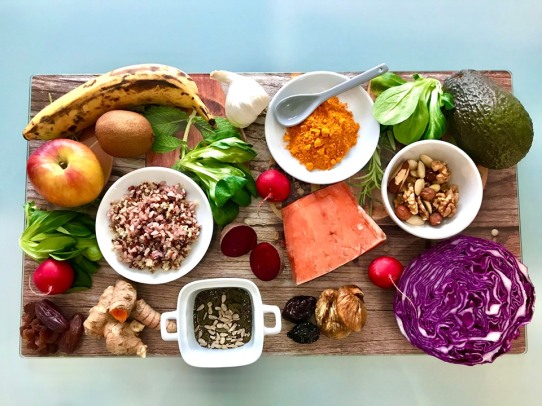
The benefits of Omega-3:
- Improved heart, vision, and memory function.
- Helps combat cholesterol and high blood pressure.
- Regulation of satiety and body weight.
- Improved muscle function.
- A natural anti-inflammatory that helps prevent tendinitis, arthritis, and chronic inflammation.
- Improved mental health and depression prevention.
The main sources of Omega-3:
- Cold-pressed raw vegetable oils such as rapeseed, walnut, camelina, flaxseed, and hemp oil.
- Nuts such as walnuts and almonds.
- Ground flaxseeds, hemp seeds, chia seeds, etc.
- Oily fish such as sardines, mackerel, anchovies, salmon, and tuna.
- Vegetables and legumes (spinach, lamb’s lettuce, lentils, split peas, dried beans, etc.).
- Organic animal products (meat and eggs) from naturally fed livestock.
4) Optimize fat intake
For a balanced fatty acid intake on a daily basis:
- 50% monounsaturated fatty acids (olive oil, rapeseed oil, hazelnut oil, avocado, almonds, pecans, hazelnuts, cashews, pistachios, etc.).
- 20 to 25% saturated fatty acids (butter, dairy products, cheese, processed meats, red meat, palm oil, etc.).
- 20 to 25% polyunsaturated fatty acids: Omega-6 (sunflower oil, grapeseed oil, corn oil, conventionally farmed animal products, etc.) + Omega-3 (rapeseed oil, walnut oil, camelina oil, flaxseed oil, hemp oil, walnuts, ground flaxseeds, hemp seeds, chia seeds, sardines, mackerel, anchovies, salmon, tuna, purslane, spinach, lamb’s lettuce, lentils, split peas, dried beans, naturally fed organic animal products, etc.), with a ratio of 3 parts Omega-6 to 1 part Omega-3.
Daily fat requirements:
From 1.2 to 1.5 g per kilogram of body weight per day, with approximately 3 g of Omega-3.
Example:
For a person weighing 70 kg = 84 to 105 g of fat per day.
Examples of fat intake:
- 100 g of sardines: approximately 10 g of fat.
- 100 g of ground beef: approximately 15 g of fat.
- 100 g of chicken breast: approximately 1 g of fat.
- 100 g of tofu: approximately 8 g of fat.
- 30 g of dry-cured sausage: approximately 10 g of fat.
- 1 egg: approximately 6 g of fat.
- 10 g of butter: approximately 8 g of fat.
- 1 tablespoon of olive oil: approximately 15 g of fat.
- 30 g of walnuts: approximately 20 g of fat.
- 30 g of feta: approximately 6 g of fat.
In practice:
Consume a sufficient daily amount of fat, increasing the proportion of healthy Omega-3 fats.
Every day:
- At least 1 to 2 tablespoons of extra-virgin omega-3 oil (rapeseed, flaxseed, walnut, camelina…) from first cold pressing, used raw as a dressing on food.
- 1 to 2 teaspoons of seeds (ground flaxseed, hemp, chia…) per meal.
- At least 30 to 60 g of a mixture of walnuts and almonds.
- Fresh fruit and vegetables to stock up on antioxidants and protect the good fatty acids.
- Gentle steaming to prevent the destruction of Omega-3s.
2 to 3 times a week:
Preferably fresh or canned oily fish in glass jars, prioritising sardines, mackerel and anchovies, which contain fewer heavy metals than salmon or tuna.
To limit:
- Fatty meats (processed meats, fatty beef, pork, mutton, lamb…).
- Dairy and industrial fats (butter, margarine, fatty cheese, cream…).
- Processed foods (ready meals, industrial pizzas, crisps, cakes, biscuits, pastries, viennoiseries, spreads…).
DISCOVER OUR CURE COLLECTION
CONCLUSION
Fat intake is essential for the proper functioning of the body and must be incorporated into an overall balanced diet.
Consumption should be adjusted quantitatively according to your own needs, while prioritising quality fatty acids in synergy with the presence of other macronutrients (proteins and carbohydrates) and micronutrients (vitamins, minerals and trace elements), in order to benefit from positive effects on health, weight regulation and sports performance.
KLEIN Guillaume DIET NUTRI ENERGIE
This article was written by our Ambassador Guillaume Klein (Personal Coach, Sports and Health Nutrition Expert / Ultra-Endurance Specialist)