Hydration and electrolytes for endurance
Guide and frequently asked questions ⌄
Why is hydration so important in endurance? ⌄
During exercise, we lose water and minerals through sweat, especially sodium. Significant dehydration slows you down, increases your heart rate, and ruins the final stretch of a race. The goal isn’t to drink as much as possible, but to limit substantial losses.
Water, electrolytes, or an isotonic drink—which should you choose? ⌄
For a short effort (under an hour) in mild conditions, water is enough. For longer efforts or in hot weather, electrolytes help replace lost sodium. An isotonic drink also provides carbohydrates to fuel your effort.
How much sodium do you lose during exercise? ⌄
This varies enormously from one person to another, from 200 to over 2,000 mg per liter of sweat. Some athletes leave white marks on their jerseys, a sign of high losses. Sweat tests can help determine your profile, and several brands offer different dosages.
How much should I drink per hour? ⌄
There is no single number. Typical guidelines range from 400 to 800 ml per hour, adjusted according to the heat, intensity, body size, and thirst. Drinking small, regular sips is more comfortable than drinking large amounts all at once.
Do electrolytes prevent cramps? ⌄
The cause of cramps is still debated: muscle fatigue, lack of training, dehydration, etc. Electrolytes may help some athletes, but no product guarantees freedom from cramps.
How do you choose between tablets, powders, and capsules? ⌄
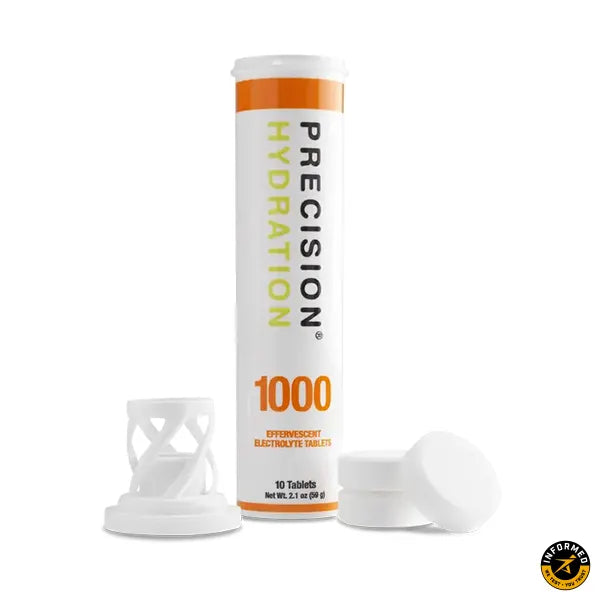
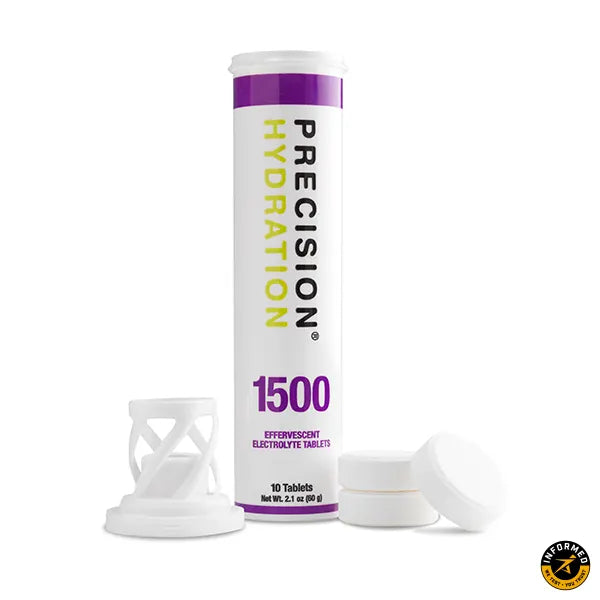
Effervescent tablets go into a bottle. Powders often combine minerals and carbohydrates. Capsules can be swallowed without a drink, making them convenient when you don’t want to prepare a special bottle.
Which drink, in what form?
Tablets, powders, or capsules, depending on how you like to drink.


Most ordered items