


SPORT AND PROTEINS in partnership with ATLET
Summary
Proteins constitute a chemically heterogeneous family and are considered biomolecules of paramount importance:
Quantitatively, proteins account for 55 to 85% of dry weight. They are the second most abundant component in the body after water.
Qualitatively, they have a structural role as well as a vital functional role.
Except in exceptional cases (prolonged fasting, insufficient glycogen reserves, etc.), proteins do not contribute significantly to meeting energy needs.
Our protein needs are very high. Our bodies produce nearly 100,000 different types!
All proteins are built from 20 different amino acids.
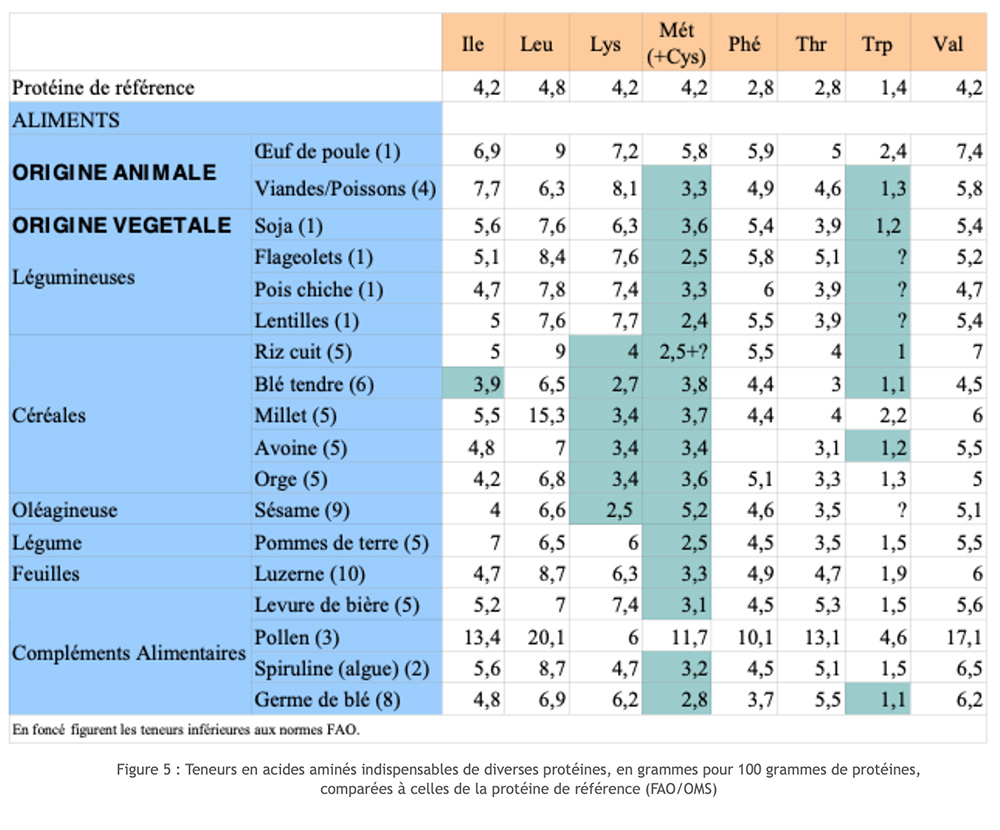
Of these, 8 are essential amino acids (EAAs): the human body cannot produce them. The diet must therefore provide them, and moreover, at the same meal. If the body lacks even one of these 8 EAAs to produce one of its proteins, protein production stops, since the body cannot set the other 7 aside until the 8th arrives.
Animal proteins provide all 8 of these essential amino acids, which is not the case with plant proteins, which are deficient in one of the 8 essential amino acids. Vegetarians must therefore eat both grains (wheat, corn, rice, etc.), which are low in lysine, and pulses (lentils, chickpeas, etc.), which are low in methionine, at the same meal.
Protein synthesis is essential for development and growth, as well as for maintaining body mass. Although carbohydrates are the main source of energy, regular exercise significantly increases daily requirements for nitrogen-containing compounds. Under very specific conditions, certain amino acids may be oxidized and thus serve as energy substrates in their own right. However, all the proteins present in the body play a specific functional role, and unlike carbohydrates or fats, there are no amino acids stored as reserves. When needed, amino acids derived from structural or functional proteins are therefore used, which may affect the functioning of the body.
So, in the absence of protein intake, the body cannibalizes and digests itself!
The absence of proteins forces the body to draw on its “reserves”: muscle wasting (including the heart), followed by the breakdown of internal organs (intestines, liver, etc.), is then inevitable!
Drawing on reserves leads to deficiencies: immune defenses weaken, digestion and intestinal transit slow down, wound healing is impaired, and the skin ages…
As is often the case, variations in protein metabolism are closely related to the type of sport practiced, and the issues involved will differ greatly depending on whether the sport in question is an endurance or strength-and-power discipline. However, across the very broad range extending from short, very high-intensity exercises (explosive anaerobic exercise) to long-duration endurance exercises, the metabolic responses of proteins are qualitatively similar, combining decreased protein synthesis and increased breakdown during activity, and the opposite during recovery…
Biochemistry course review …
Proteins constitute a chemically heterogeneous family and are considered biomolecules of paramount importance:
- Quantitatively, proteins represent 55 to 85% of dry weight. They are the second most abundant component in the body after water.
- Qualitatively, they have a structural role as well as a vital functional role.
Except in exceptional cases (prolonged fasting, diabetes, etc.), proteins do not contribute significantly to meeting energy requirements.
They provide mechanical support and tissue support, for example collagen, the most abundant protein in the body; at the cellular level, cytoskeletal proteins (actin, tubulin) are responsible for cell shape.
They play a biochemical catalyst role, as in the case of enzymes, without which almost all chemical reactions in the body would be impossible; a blood transport role, as with albumin (the most important plasma protein, which contributes to the transport of free fatty acids and certain vitamins) or hemoglobin (located in red blood cells, it enables the transport of oxygen and carbon dioxide); a membrane transport role, as proteins quantitatively and qualitatively control exchanges between the cell and the extracellular environment, including specific glucose transporters; a role as chemical mediators, such as peptide hormones like insulin and glucagon; a role as membrane receptors; a role in maintaining the body's integrity, as with immunoglobulins (antibodies); and a role in movement, as with the contractile proteins of muscles (actin and myosin).
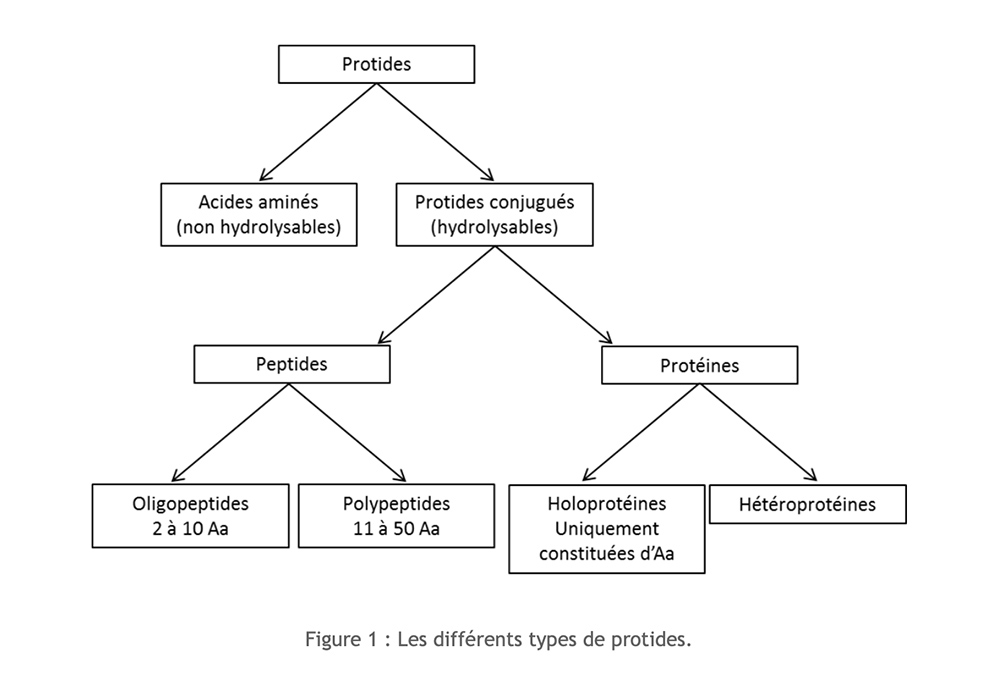
Protides are organic compounds consisting of carbon (C), hydrogen (H), oxygen (O), and nitrogen (N), sometimes with the addition of sulfur (S). Their monomeric structure is the amino acid. Depending on the extent of polymerization and composition, several types of protides can be distinguished:
Amino acids
Amino acids have a common molecular structure. They are nitrogen-containing compounds.
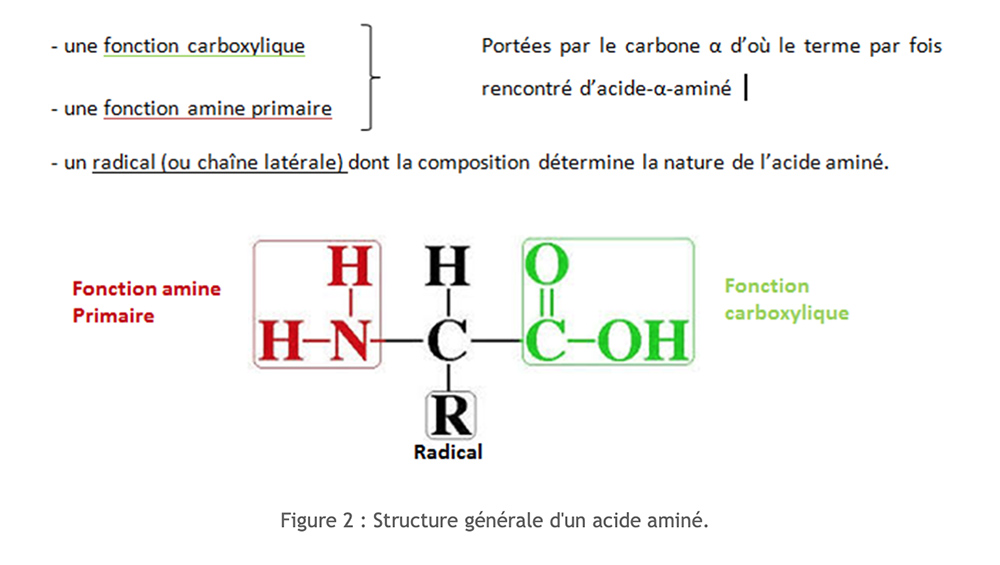
More than 250 different amino acids have been identified. However, all our proteins are made from a group of 20 amino acids, which are known as standard amino acids.
We can classify these amino acids according to the nature of their side chains. To make writing amino acids easier, a three-letter code or a one-letter code is used.
The different amino acids
We can identify eight essential amino acids in adults (Val, Leu, Ile, Thr, Met, Lys, Phe and Trp), plus a ninth in children (His). These amino acids must be present in the diet.
- Glycine (Gly or G).
- Alanine (Ala or A), an amino acid that is very common in proteins.
- Valine (Val or V).
- Leucine (Leu or L) and isoleucine (Ile or I), which cannot be synthesized by the body and are therefore essential amino acids.
- Serine (Ser or S).
- Threonine (Thr or T), which is an essential amino acid.
- Cysteine (Cys or C) contributes to stabilizing the tertiary structure of proteins through the formation of disulfide bonds. Cysteine is also a precursor of taurine.
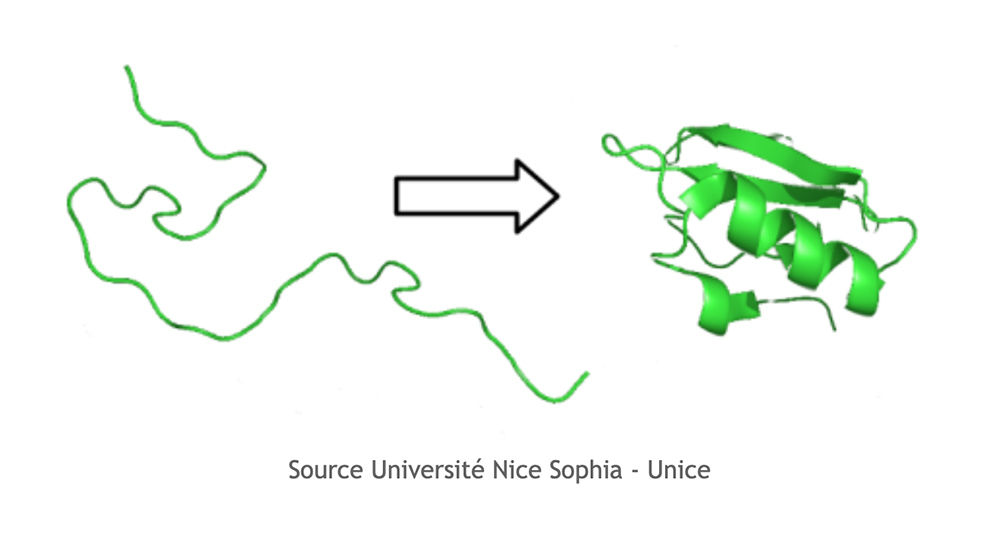
- Methionine (Met or M), which is one of the essential amino acids.
- Aspartic acid (Asp or D) and glutamic acid (Glu or E). These amino acids are very common in proteins. As free amino acids, they play an important role in nitrogen metabolism. Glutamic acid also serves as a precursor for the formation of γ-aminobutyric acid (GABA), a neurotransmitter in the central nervous system.
- Asparagine (Asn or N) and glutamine (Gln or Q); they play an important role in nitrogen metabolism.
- Lysine (Lys or K) is one of the essential amino acids (it is found notably in collagen).
- Arginine (Arg or R) plays an important role in the urea cycle and contributes to the formation of creatine.
- Histidine (His or H) is considered an essential amino acid in children.
- Phenylalanine (Phe or F) is one of the essential amino acids. As its name indicates, its structure is that of alanine substituted by a phenyl group, forming a hydrophobic radical. Its hydroxylation produces tyrosine (Tyr or Y). These two amino acids are important because they serve as precursors for the biosynthesis of catecholamines, the most common of which are epinephrine, norepinephrine, and dopamine. Tyrosine contributes to the formation of thyroid hormones.
- Tryptophan (Trp or W) is an essential amino acid. It is a biosynthetic precursor of serotonin and vitamin B3.
- Proline (Pro or P). Like lysine, it has the particularity of being hydroxylated within collagen: hydroxyproline.
Peptides
Peptides result from the association of amino acids. The bond results from condensation between the carboxylic function (of the α carbon) of one amino acid and the amine function (of the α carbon) of a second amino acid. This condensation is accompanied by the release of a water molecule.
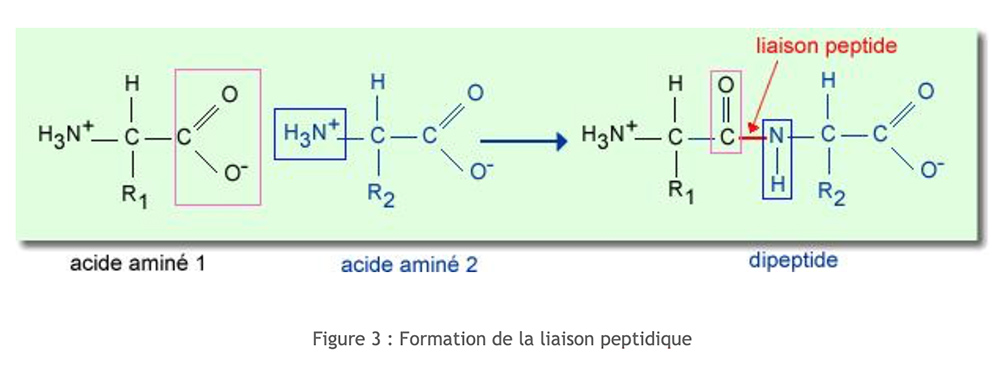
This electronic arrangement induces a rigid, planar peptide bond. Consequently, there is no rotation between C and N, which considerably influences the secondary structure of peptides and proteins.
Examples of peptides of biological interest
- Glutathione: This tripeptide plays an important role at the cellular level by neutralizing free radicals, particularly in red blood cells. Its sequence is: γGlu-Cys-Gly.
- ADH: This peptide is synthesized by the hypothalamus through its neurosecretory neurons. Released into the blood at the level of the posterior pituitary, it has a hormonal role: it stimulates water reabsorption by the kidneys.
Protein intake and exercise
Today, it has been scientifically demonstrated that protein metabolism is affected by exercise. However, we often assign it too important a role; nutritional reality is more measured.
Protein synthesis is essential for development, growth, and the maintenance of body mass. Regular sports activity significantly increases daily requirements for nitrogen-containing compounds, particularly under specific conditions (depleted glycogen stores, a sharp drop in blood glucose levels, etc.). However, we do not store amino acids. When needed, amino acids derived from structural or functional proteins are therefore used, which may affect the body's functioning.
Endurance sports: Amino acid oxidation and protein requirements
If protein requirements represent the optimal amount of protein needed to support all the body's protein synthesis, compensate for amino acid oxidation, and offset the related losses caused by accelerated protein turnover, it is easy to conclude that repeated endurance exercise increases nutritional requirements for protein and amino acids. Long-duration exercise causes significant changes in protein metabolism. Experimental studies show that this type of endurance activity is associated with a drastic reduction in muscle protein synthesis. Therefore, during prolonged exercise, if glucose supply is insufficient, protein breakdown increases to make more amino acids available for gluconeogenesis or entry into the Krebs cycle to provide energy in the form of ATP. Finally, recovery from this type of exercise will require consideration of targeted protein intake.
The amino acids available in our bodies come from several sources: they are derived from dietary intake, result from endogenous proteolysis, or are synthesized de novo within the body (in the case of nonessential amino acids). The availability of essential amino acids depends solely on dietary intake and their rate of breakdown.
Outside exercise, there is a perfect balance between breakdown (proteolysis) and protein synthesis (proteosynthesis).
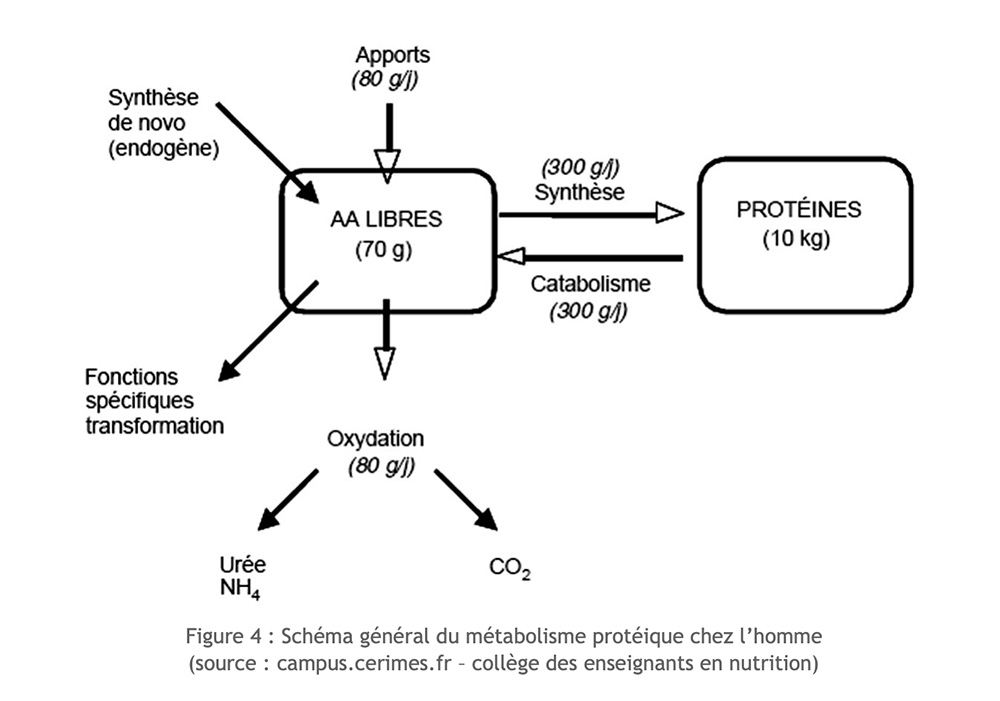
However, during prolonged exercise, nitrogen intake is reduced, protein synthesis cannot compensate for protein breakdown, and muscle mass atrophies. Some amino acids may then be considered true substrates useful for muscle function. They are used through oxidative pathways. However, only a few amino acids can be directly oxidized within skeletal muscle: these are mainly branched-chain amino acids (BCAAs: leucine, isoleucine, valine), and, much more marginally, aspartate, asparagine, and proline.
The proteins in our diet
The protein in food never enters our tissues directly. It must be “broken down” into amino acids or dipeptides. Once digestion has taken place, the amino acids ingested through our diet are indistinguishable from those resulting from the breakdown of body proteins. To produce its own proteins, our body draws from the “common pool” containing all the available amino acids (those from food and those resulting from the breakdown of body proteins) at a given moment, “t”. Ideally, our diet should provide optimal amounts of amino acids, particularly the eight essential ones.
Animal protein sources have fairly good scores on the Biological Value (BV) and Digestive Utilization Coefficient (DUC) scales. This is different for plant proteins. Indeed, whether cereals or pulses are concerned, some essential amino acids are provided at levels that are far too low (limiting factor). Cereals generally lack lysine; pulses and soy have methionine as their limiting factor. By combining the two sources, it is possible to reconstitute a complete set of essential amino acids, but with some waste! Furthermore, although this approach helps prevent severe and chronic deficiencies in an essential amino acid, it does not guarantee the proper functioning of all metabolisms involving amino acids over the long term. This functional shortfall is particularly apparent in neurotransmitter synthesis, especially serotonin synthesis, which depends on tryptophan, an amino acid that is very often limiting.
In addition, there is the issue of amino acid uptake systems. Amino acids enter cells through receptor proteins in cell membranes. There are four receptor families for 20 amino acids. As a result, competition occurs. Thus, it is not enough to provide an amino acid at an adequate level to ensure that the resulting processes will proceed properly. Competing amino acids must not be present at too high a level, as this could hinder the assimilation of the first.
The overall amino acid composition of a meal does not indicate the extent to which the supply of different amino acids will be optimally ensured for each of our cells.
When we eat protein, we incorporate nitrogen into our bodies. When we calculate the difference between the two (intake minus losses), we obtain what is called the “nitrogen balance.” A positive nitrogen balance is recorded when nitrogen intake exceeds the sum of urinary, fecal, and sweat excretions. A positive nitrogen balance is necessary to ensure an adequate level of synthesis. The NRIs (Nutritional Recommendations for the Population) are defined using this analytical method; they refer primarily to a quantitative notion of requirements and aim to prevent deficiencies without impairing protein synthesis.
The recommendations for endurance sports enthusiasts are widely agreed upon: 1.2 to 1.5 g/kg/day.
Therefore, for a person weighing 70 kg, the recommended protein intake is between 84 g/day and 105 g/day; for example, this would correspond to very large quantities of meat: 465 to 580 g! Hence the value of consuming other sources of protein (cereals, legumes, etc.) or targeted concentrates during early recovery. Once again, it is recommended to adopt a varied and balanced daily diet suited to the level of training.
In athletes, the needs associated with functional renewal are increased under certain conditions because of protein catabolism, particularly affecting the contractile elements of muscle (especially in runners, due to the shock wave that has a destructive effect when repeated with each foot strike on the ground). These processes increase losses and add to those resulting from the use of certain amino acids for energy. Consequently, a decrease in the plasma levels of most amino acids and an increase in urinary nitrogen excretion may be observed after a 100 km running event.
However, caution is warranted: increased use of “untargeted” protein supplements can significantly increase requirements; indeed, the rate of synthesis is determined by the availability of the amino acid present in the lowest amount in the tissues. This means that if the level of branched-chain amino acids has decreased in response to exercise, post-exercise synthesis will be proportional to the remaining amounts of leucine, isoleucine, and valine.
Certain amino acids act as molecules capable of stimulating protein synthesis. Leucine is capable of specifically stimulating protein synthesis in muscles and the liver, even under unfavorable conditions (Cf.: Buse MG, Reid M (1975): Leucine, a possible regulator of protein turnover in muscle. J. Clin. Invest., 58: 1250).
The intake of protein supplements rich in branched-chain amino acids therefore helps prevent muscle wasting and the deterioration of a number of physical, psychological, and physiological parameters (Cf.: Degoutte F, Jouanel P & Coll (2006): Food restriction and performance, biochemical, psychological and endocrine changes in judo athletes. Int. J. Sport Med., 27 (1): 9 – 18.).
In addition to branched-chain amino acids, two others seem to us to warrant attention in the athlete’s diet:
Methionine (a limiting factor for legumes and soy):
The presence of methionine (Met) at an optimal level determines the course of a large number of reactions, which are also dependent on the level of energy intake. Indeed, as we saw above, Met can help provide energy to tissues in emergency situations. This occurs via the Krebs cycle, at the expense of Met’s other metabolic functions. Therefore, any reduction in dietary Met intake slows these various pathways, particularly gluconeogenesis, in order to maintain its minimum level in cells. Furthermore, the conversion of Met into cysteine to promote glutathione formation (which participates in the antiradical cascade) is slowed in favor of energy production or cannot take place.
Glutamine, Glycine, and Aspartate:
Our energy reserves rely on the DNA molecule, which has the shape of a double helix (a double strand). RNA, on the other hand, is a polymer similar to DNA, consisting of a single strand. DNA stores genetic information in the cell, whereas RNA is used to transmit coding information outside the cell nucleus and then to synthesize proteins from this information. The bases that make up RNA are supplied in small quantities by the diet; most actually comes from syntheses carried out in cells. These are produced from amino acids, some of which are available only in limited quantities. Genetic material and proteins are therefore closely interdependent. The precursors are glutamine, glycine, and aspartate. Glutamine is particularly involved because it contains two nitrogen molecules. Its availability is therefore crucial in situations where rapid cell multiplication is essential (immune response, wound healing, etc.). Here, the presence of enzymatic cofactors such as zinc and vitamins B9, B12 (from animal sources only), and B6 is decisive for the proper completion of the synthesis process.
Therefore, any deficiency or imbalance in the intake of these amino acids, particularly glutamine, will affect recovery and the response to physical activity.
These various factors make defining an ideal/optimal protein intake very complex. The recommendation mentioned above takes potential functional disorders into account in order to adapt intake both quantitatively and qualitatively, including variety. Supplements are merely minor adjustments to the diet and consist of highly digestible, targeted peptides. Under no circumstances should they compensate for proven nutritional deficiencies. Although sometimes considered unnecessary, they nevertheless appear to be associated with an improvement in the health of the athlete concerned.
Article written for our partner Atlet by:
Caroline JOUCLA • State-certified nutritionist-dietitian • www.carolinejoucladieteticienne.com