


J-7: Pre-competition nutrition, by Guillaume Klein

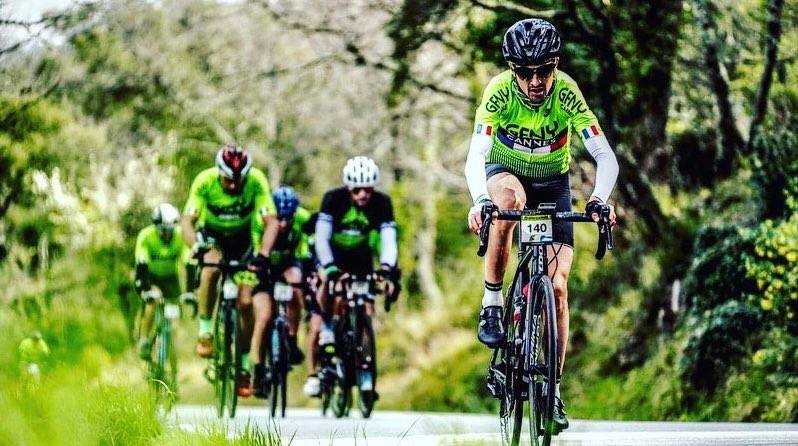
A key step in optimizing success in your sporting event
The objectives:
- Maximize energy storage in the form of glycogen (the body's sugar stores).
- Promote digestive comfort and avoid gastric problems during exercise.
The pre-competition protocol:
1) The depletion phase
Reduce daily carbohydrate intake by one third during the first three days of the week preceding the competition (rice, pasta, quinoa, potatoes, sweet potatoes, bread, oats…).
The reduction should be made by removing one serving from breakfast or lunch, to support falling asleep and sleep quality.
2) The reloading phase
Complete a short fasted workout on D-3, then take advantage of the post-exercise metabolic window by having a breakfast richer in carbohydrates.
This will initiate the carbohydrate supercompensation phase and thereby best support the replenishment of glycogen stores.
On D-3 and D-2, the goal is to increase daily carbohydrate intake by one third (rice, pasta, quinoa, potatoes, sweet potatoes, bread, oats…).
The increase should preferably be spread across two meals (lunch and dinner) to help regulate energy levels throughout the day.
Example (with an increase divided between lunch and dinner) :
- Lunch (potatoes, sweet potatoes…)
Usual serving = 250 g cooked weight
Increased serving = 330 g cooked weight
- Dinner (rice, pasta, quinoa…)
Usual serving = 200 g cooked weight
Increased serving = 300 g cooked weight
(Quantities should be tailored to each person's profile and individual needs).
3) The maintenance phase
One day before the competition, your reserves are already built up; the goal is not to overload the body.
Simply maintain a reasonable, customary food intake to avoid placing significant strain on the digestive system.
An example of a pre-competition breakfast:
- 50 g of gluten-free oats.
- One sliced banana.
- 30 g of a mixture of nuts (walnuts, almonds, hazelnuts…).
- 30 g of dried apricots.
- 30 g of organic hemp plant protein.
- 1 teaspoon of cinnamon.
Prepare and mix all the ingredients in a bowl with unsweetened almond milk.
An example of a pre-competition lunch:
- Vegetable soup.
- 250 g of sweet potato.
- 2 eggs.
- 1 sheep's-milk skyr yogurt with no added sugar.
- 1 apple.
- Meal dressing: 1 tablespoon of a 50% extra-virgin olive oil + 50% extra-virgin omega-3 oil blend (rapeseed, flaxseed, walnut, camelina…) + fresh lemon juice and/or (cider vinegar, balsamic vinegar, tamari…).
- 2 teaspoons of seeds (pumpkin, sunflower, chia, sesame, flax, hemp, poppy…).
An example of a snack on the evening before a competition:
- 1 banana.
- 2 squares of dark chocolate, at least 70%.
- 30 g of a mixture of nuts (walnuts, almonds, hazelnuts…).
An example of a dinner on the evening before a competition:
- Vegetable soup.
- 200 g cooked basmati rice.
- 100 g of tofu.
- 1 compote made from fresh fruit with no added sugar.
- Meal dressing: 1 tablespoon of a 50% extra-virgin olive oil + 50% extra-virgin omega-3 oil blend (rapeseed, flaxseed, walnut, camelina…) + fresh lemon juice and/or (cider vinegar, balsamic vinegar, tamari…).
- 2 teaspoons of seeds (pumpkin, sunflower, chia, sesame, flax, hemp, poppy…).
(Quantities should be tailored to each person's profile and individual needs).
4) Throughout the week
Reduce or eliminate according to individual sensitivity:
- Foods rich in fiber (some vegetables and fruits, some raw vegetables, whole grains, wholemeal bread, legumes…).
- Foods rich in wheat gluten (bread, pasta, cakes, pastries, pizzas, prepared meals…).
- Spicy and highly seasoned dishes.
Favor the following to make digestion easier:
- Consume gluten-free cereals and similar foods (rice, quinoa, millet, amaranth, gluten-free oats, buckwheat, teff, fonio, sorghum…).
- Low-fiber fruits and vegetables (ripe bananas) that are easy to digest (purées, soups, compotes…).
Ensure nutritional balance :
- Consume enough fruit and vegetables to obtain plenty of vitamins, minerals, and trace elements, and balance the body's acidity.
- Favor quality omega-3 fats (oily fish, walnuts, flaxseeds, rapeseed oil…) to limit inflammatory factors.
- Consume enough varied protein to maintain muscle mass and provide the building blocks the body needs.
Optimize hydration status:
- Vary your mineral waters, choosing low-mineral-content water for everyday use (Montcalm, Mont Roucous, Volvic…), and mineral-rich water around exercise (St Yorre, Vichy, Rozana…).
- Avoid alcohol because of its diuretic and dehydrating effects.
Good hydration will promote carbohydrate storage, as well as the proper circulation and transport of all the substances necessary for the body to function correctly (vitamins, minerals, trace elements, nutrients…).
5) Competition day
As competitions generally start in the morning, breakfast will therefore be the last meal.
The aim of this breakfast is to provide the body with fuel and maintain energy reserves, while promoting digestive comfort during exercise.
CONCLUSION
This protocol provides a general framework to implement in terms of nutrition during the week preceding a competition.
However, it is necessary to personalize it in order to adapt it specifically to each person’s way of functioning, as well as to the start time and the nature and intensity of the event.
This content was published by our Ambassador Guillaume Klein (Personal Coach, Sports and Health Nutrition Expert / Ultra-Endurance Specialist)
- Nutriformation graduate, specializing in micronutrition and nutritherapy
- Trained in sports nutrition by the Evonutri Academy of Positive Nutrition
- Ultra Trail coach trained by the Auvergne-Rhône-Alpes Athletics League
- FC Metz professional team sports dietitian and nutritionist (since 2018)
- FC Metz training centre sports dietitian and nutritionist (since 2019)
- Creator of the EPIC® method
Passionate about sport and an ultra-endurance athlete in running and ultra-cycling, Guillaume has been able to test for himself the benefits of a natural, balanced diet suited to his actual needs, along with specific, adapted training. Guillaume values high-quality products that meet athletes’ nutritional needs and, from a health perspective, have the most natural composition possible.
You too can benefit from his advice and find all our products on this website
If you would like more information or advice, please feel free to contact Guillaume via his website www.naturenergy.live.
You may also be interested in these articles: