


Carbohydrates: How much per day, by Guillaume Klein

For the body's overall proper functioning, we need a daily intake of carbohydrates (sugars), in addition to the macronutrients fats and proteins and micronutrients (vitamins, minerals, trace elements, etc.), for a balanced diet.
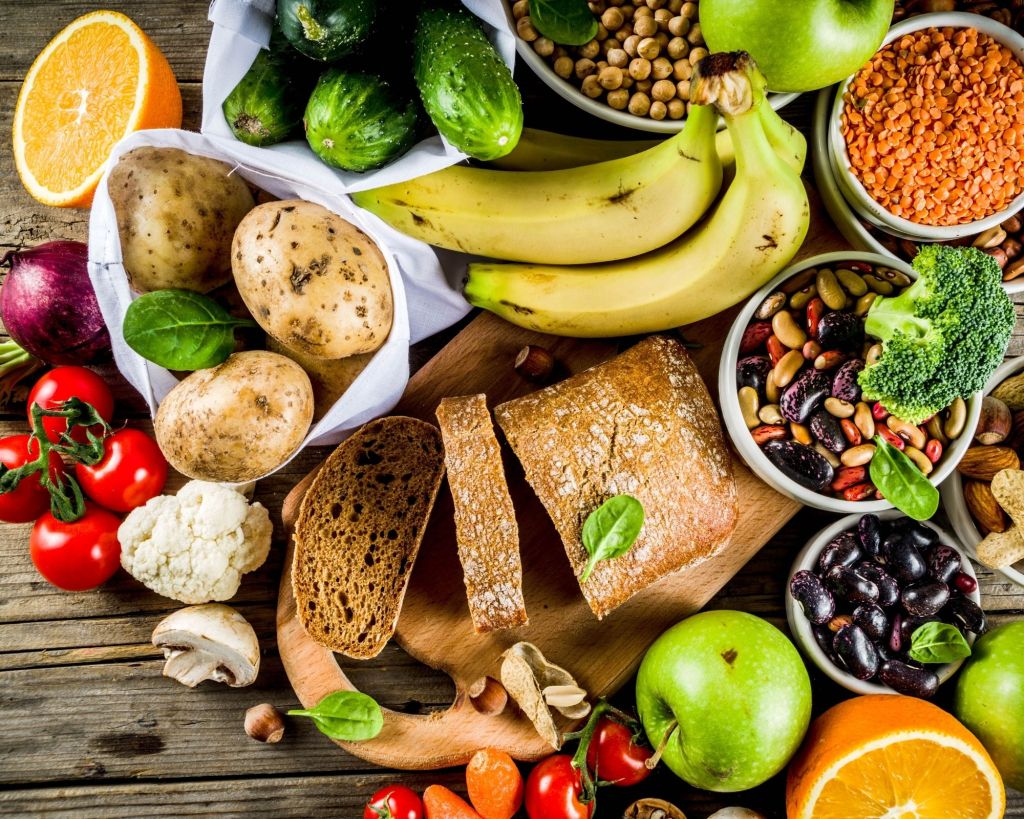
This carbohydrate intake will be converted into an energy reserve in the form of glycogen (the body's sugar stores) in the muscles and liver.
The goal is to regulate the amount consumed according to the day's activity and the energy expenditure associated with sports training.
1) Daily carbohydrate requirements
Recommendation according to the day's activity:
- 3 to 5 g per kilogram of body weight per day.
Recommendation for an athlete according to the intensity and duration of the activity:
- 5 to 10 g per kilogram of body weight per day.
Example:
- For a 70 kg athlete = 350 to 700 g of carbohydrates/day.
Examples of portions containing 50 g of carbohydrates:
- 100 g of bread.
- 200 g of cooked pasta.
- 200 g of cooked rice.
- 250 g of cooked lentils.
- 250 g of sweet potatoes.
- 250 g of potatoes.
- 80 g of rolled oats.
- 40 g of cornflakes.
- 3 fruit yogurts.
- 60 g of raisins.
- 2 bananas.
- 3 apples.
- 2 tablespoons of honey.
- 2 tablespoons of agave syrup.
- 500 ml of fruit juice.
- 500 ml of soda.
- 2 plain croissants.
- 2 slices of apple pie.
- 2 slices of pizza.
- 100 g of crisps.
- 40 g of candy.
- 500 ml of fruit juice.
- 500 ml of soda.
The goal is not to be constantly calculating, but to become familiar with the portions to consume, and it can be seen that with certain foods, the amount of carbohydrates can quickly increase.
2) Consume quality carbohydrates
Beyond the quantitative aspect, the glycemic index is a criterion used to classify carbohydrates (sugars) from a qualitative standpoint, according to their ability to raise blood sugar levels, that is, the level of sugar in the blood.
High GI :
- Carbohydrates that are digested quickly and therefore cause blood sugar levels to rise sharply.
Low GI:
- Carbohydrates whose digestion is slow and which have little effect on blood sugar levels.
This classification has highlighted certain types of food with a high or even very high glycemic index, mainly foods refined and processed by the agri-food industry, and therefore to be limited or avoided:
- Refined grains (white rice, pasta, white bread…).
- White sugar.
- Fruit juices, soft drinks, energy drinks…
- Cakes, cookies, pastries, sweet rolls…
- Dessert yogurt, dessert cream, ice cream…
- Puffed breakfast cereals.
- Industrial chocolate spread.
- Chips, savory snack foods…
- Chocolate bars…
Carbohydrate sources to prioritize:
- Fresh fruit and vegetables.
- Dried fruits (apricots, figs, prunes…).
- Tubers (sweet potatoes, Jerusalem artichokes, parsnips…).
- Squashes (kabocha, butternut, pumpkin…).
- Whole or semi-whole grains and similar foods (brown rice, basmati rice, wild rice, quinoa, buckwheat, millet, rolled oats…).
- Whole-grain bread (sourdough, wholemeal, multigrain, seeded…).
The glycemic index of a food tells us about the quality of its carbohydrates—that is, how quickly sugar enters the bloodstream—but it does not take into account the amount of carbohydrates that food contains.
If a food has a high GI but is consumed only in a small portion, it will have less impact on blood sugar than a low-GI food consumed in a large portion.
Example:
- By consuming a portion of brown rice three times larger than a normal portion of white rice, the glycemic load will be higher with brown rice and will have a greater impact on blood sugar balance.
3) The « health performance » strategy
If we regularly consume large amounts of foods that cause blood sugar levels to spike, each meal is followed by a strong insulin secretion.
On the one hand, this will strain the pancreas and could eventually lead to diabetes or various health conditions; on the other hand, these insulin spikes will not regulate hunger.
They will cause hunger pangs and cravings for snacks, which, through a rebound effect, will lead to overeating, promoting fat storage and weight gain.
In everyday life, it is preferable to adopt a « low-carb » approach, using the lower end of the range when calculating carbohydrate intake.
This is beneficial for endurance sports, because the body will learn to use more fat as an energy source, reducing its reliance on sugars.
Carbohydrate intake should mainly be distributed around sports activities, beforehand and during certain long and/or intense training sessions, so that you are in full possession of your physical abilities and can thereby optimise performance.
But also after exercise, during the metabolic window, to replenish the body’s energy stores as effectively as possible.
CONCLUSION
To optimise your “health-performance” potential, the goal is to limit dependence on carbohydrates while promoting the use of fats as an energy source.
Every individual is different and has their own way of functioning; some people will have greater or lesser carbohydrate needs.
There are common foundations and rules, but you must remain attentive to your body and how you feel, both in everyday life and when taking part in sports.

This content was published by our Ambassador Guillaume Klein (Personal coach, sports nutrition and health expert / Ultra-endurance specialist)
- Nutriformation graduate, specialising in micronutrition and nutritional therapy
- Trained in sports nutrition by the Evonutri Academy of Positive Nutrition
- Ultra-trail coach trained by the Auvergne-Rhône-Alpes Athletics League
- Dietitian-nutritionist for the FC Metz professional team (since 2018)
- Dietitian-nutritionist at FC Metz training centre (since 2019)
- Creator of the EPIC® method
A sports enthusiast and ultra-endurance athlete in running and ultra-cycling, Guillaume was able to test for himself the benefits of a natural, balanced diet suited to his actual needs, along with specific, adapted training. Guillaume values high-quality products that meet athletes’ nutritional needs and, from a health perspective, have the most natural composition possible.
You too can benefit from his advice and find all our products on this website
If you would like more information or advice, please do not hesitate to contact Guillaume via his website www.naturenergy.live.