Energy nutrition for endurance
Guide and frequently asked questions ⌄
What should you eat and drink during endurance exercise? ⌄
During exercise lasting more than an hour, the key is to take in carbohydrates at regular intervals and stay hydrated. The body stores carbohydrates in the muscles and liver, but these reserves last only about 90 minutes at a sustained pace. Beyond that, without replenishment, your pace will eventually drop.
The format you choose matters less than consistency. A gel, drink, bar, or purée will do the same job if you take them at the right time and in the right amount.
How many carbs per hour should you aim for? ⌄
The most commonly cited guidelines are 30 to 60 g per hour for efforts lasting one to two hours, and up to 90 g per hour for very long efforts, provided you are used to it. Above 60 g per hour, specialists recommend a mixture of glucose and fructose, which is better absorbed than glucose alone.
These are guidelines. Digestive tolerance is trained during sessions, just like endurance or speed.
Gel, drink, bar, gummy, or purée, how do you choose? ⌄
- Gels are easy to carry and work quickly. You need to drink water with them, except for isotonic gels.
- Sports drinks provide energy and hydration in one go, making them convenient in hot weather.
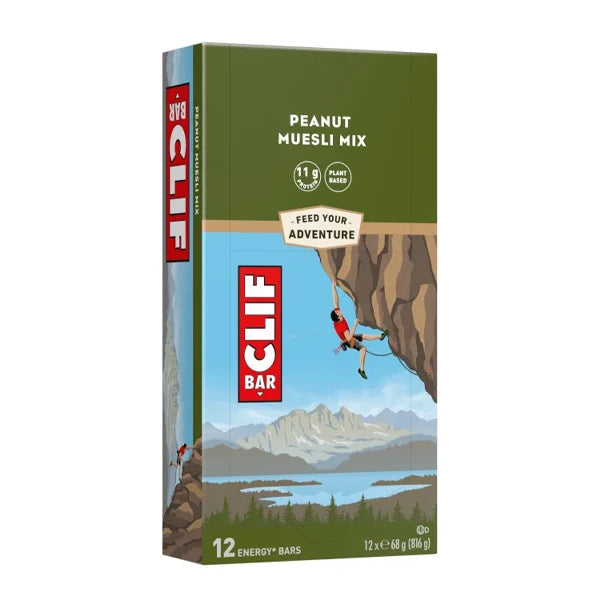
- Bars, chews and cakes need to be chewed, which can be reassuring when cycling or on long outings.
- Purées, sweet or savory, suit those who find sweet foods sickening after a few hours.
Many athletes combine two formats to vary the textures.
When should I take the first gel or the first bar? ⌄
We often start after 20 to 30 minutes of exertion, without waiting until we’re hungry, then repeat every 20 to 45 minutes depending on the product. Waiting until you hit the wall to eat is the most common mistake: the energy you take in takes a little while to reach your muscles.
Can you test a product on race day? ⌄
It’s the golden rule of sports nutrition: nothing new on race day. Try each product during a long run at race pace to make sure it sits well and that you know what dose works for you. A product that’s excellent for a teammate might give you a stomachache.
How should you distribute your nutrition during a marathon, trail race, or bike ride? ⌄
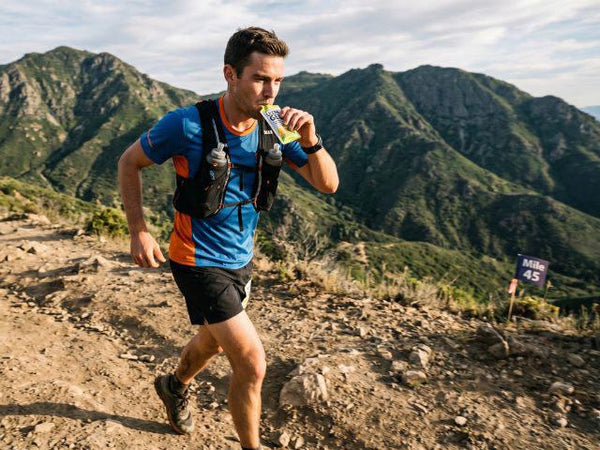
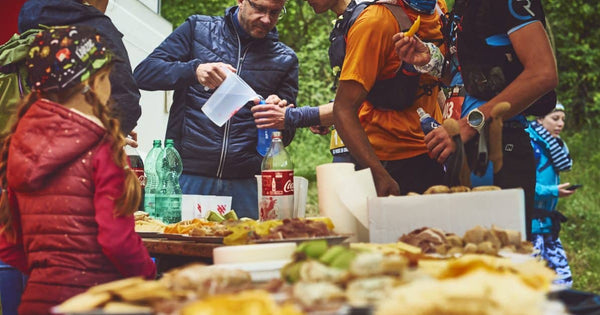
In a marathon, most runners take a gel every 30 to 40 minutes from the start, with water at aid stations. On the trail, they often alternate between solid and liquid fuel depending on the terrain, since it’s difficult to eat on a steep climb. On a bike, it’s easier to eat on flat sections: bars and cakes early in the ride, gels and drinks when the intensity increases.
What format for what effort?
Every format has its moment. Choose based on the duration and terrain.


Most ordered items